Eco-friendly green flooring options in Portland
A guide to sustainable, environmentally friendly hardwood flooring choices, FSC-certified woods, and low-VOC eco-conscious finishes for Portland homes.
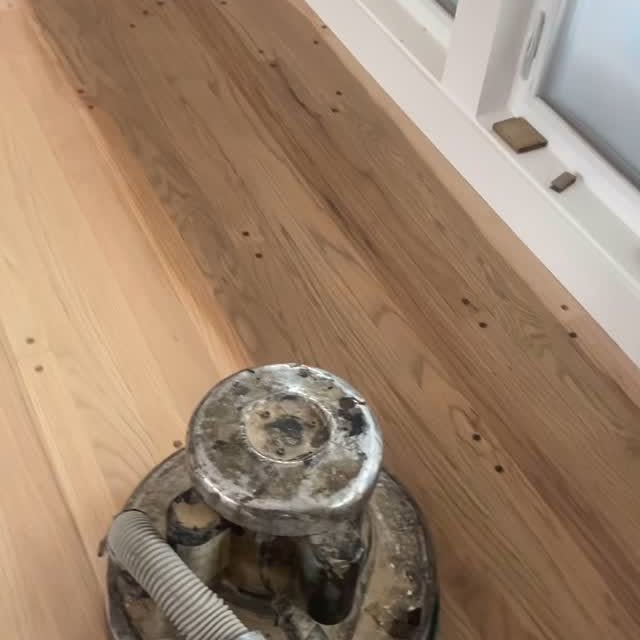
The greenest, healthiest floor for a Portland home is refinishing your existing hardwood ($4.99–$6.95/sq ft) using 99.8% HEPA dustless sanding and GREENGUARD Gold certified Bona Traffic HD (<150 g/L VOC) or zero-VOC natural hardwax oil (Rubio Monocoat). For new floors, locally harvested Oregon white oak and FSC-certified engineered hardwood last 50–100+ years without off-gassing or landfill waste.
When we walk through homes in neighborhoods like Southeast Portland, Alberta, Irvington, or Sellwood, one of the most common requests we hear is: "How can we make this project as green as possible?"
Portland homeowners have a deep connection to the environment. They care just as much about the health of the planet as they do about the air quality inside their own houses. If you have children, pets, or allergy sufferers in your home, you want to know that the floors you walk on every day are not emitting toxic chemicals into your living space.
For a long time, choosing hardwood flooring meant dealing with:
- Harsh chemicals
- Strong odors
- Questionable logging practices
Traditional solvent-based finishes could keep you out of your house for a week and off-gas harmful chemicals for months. Fortunately, the wood flooring industry has changed significantly over the last two decades. Today, you can have beautiful, durable wood floors that align with your environmental values.
Let's look at the best sustainable wood species, eco-friendly finishes, and low-impact installation methods available for Portland homes.
Sustainable wood species: making a green choice from the start
The first step in planning an eco-friendly floor is choosing the right wood. Where does the timber come from? How is it harvested? How long will it last? The greenest floor is one that does not need to be replaced for generations, which is why real hardwood is inherently more sustainable than synthetic options like luxury vinyl plank (LVP) or laminate, which eventually end up in a landfill.
Here are the top eco-friendly wood options we recommend for local homeowners:
1. Oregon white oak (local and regional species)
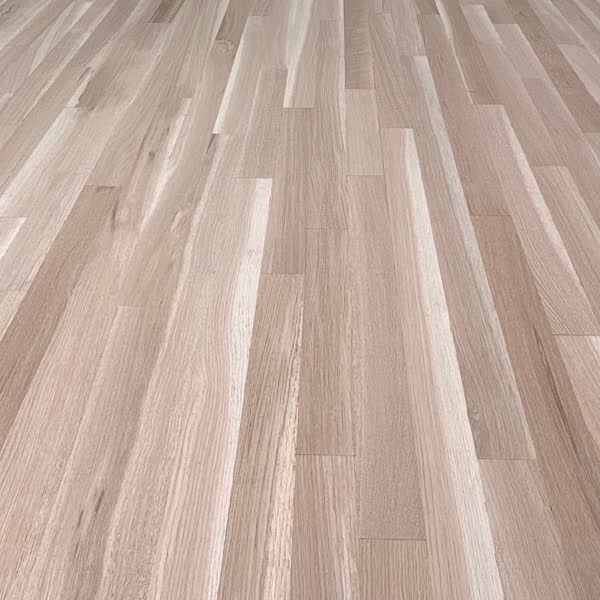
If you want to minimize the carbon footprint associated with shipping lumber across the country, look no further than Oregon white oak. Harvested right here in the Pacific Northwest, this species is incredibly durable, gorgeous, and naturally adapted to our climate.
- Key features: Tight grain structure and a color palette that ranges from warm cream to deep tan.
- Durability: Highly resistant to rot and moisture, making it an excellent choice for Portland's damp winters.
- Local impact: By choosing a locally sourced wood, you support regional mills and forestry programs that focus on preserving the health of Northwest woodlands. It is a true local resource that looks beautiful in both historic Craftsman homes and modern accessory dwelling units (ADUs).
2. FSC-certified hardwoods
The Forest Stewardship Council (FSC) is the gold standard for responsible forest management. When you purchase FSC-certified hardwood, you receive a guarantee that the wood was harvested from forests that are managed to preserve biodiversity, protect clean water resources, and support local communities.
Many popular species are available with FSC certification, including:
- Red oak
- White oak
- Maple
- Hickory
While FSC-certified lumber can sometimes carry a small price premium due to the strict tracking and auditing required, it provides peace of mind that your home renovation is not contributing to global deforestation.
3. Salvaged and reclaimed wood
Perhaps the greenest wood of all is the wood that already exists. Reclaimed wood salvage projects rescue timber from old barns, historic factories, shipping facilities, and old buildings throughout Oregon and Washington.
Reclaimed Douglas fir is a classic Northwest choice. Old-growth Douglas fir has a tight ring pattern and rich reddish-gold tones that you simply cannot find in modern timber. When we sand and finish a reclaimed fir floor, we reveal nail holes, seasoning checks, and structural markings that tell a story of the region's industrial history. Using reclaimed wood keeps high-quality materials out of waste streams and eliminates the need to cut down fresh trees.
4. Cork flooring
Cork is a fascinating natural material that is harvested from the bark of the cork oak tree. The bark is stripped away by hand every nine years, leaving the tree standing and healthy to grow new bark. This makes cork an incredibly renewable resource.
Cork flooring is naturally warm underfoot, quiet, and soft, which makes it a favorite for kitchens and playrooms. It contains a natural substance called suberin, which resists insects, mold, and mildew. While it does not have the same Janka hardness rating as oak or maple, cork is resilient and can bounce back from minor impacts.
5. Strand-woven bamboo
While bamboo is technically a grass rather than a hardwood, it is one of the most rapidly renewable resources on earth, reaching maturity in just three to five years. Strand-woven bamboo is created by shredding bamboo stalks and compressing them with eco-friendly resins under extreme pressure.
The result is a flooring material that is harder than Brazilian cherry or hickory, making it highly scratch-resistant. However, you must select high-quality manufacturers. Cheap bamboo flooring often uses urea-formaldehyde glues, which off-gas inside your home. Look for brands certified by FloorScore or Greenguard to ensure low chemical emissions.
Non-toxic and eco-friendly finish options
Sourcing sustainable wood is only half the battle. The finish you apply to protect that wood has a massive impact on your home's indoor air quality. Traditional finishes rely on volatile organic compounds (VOCs) to dissolve resins and assist in the curing process. As these finishes dry, they release VOCs into the air, causing that classic "fresh paint" smell that is actually toxic to breathe.
If you want to protect your family's health and minimize environmental impact, you have two excellent modern finish options:
1. Low-VOC water-based finishes
Water-based polyurethanes have revolutionized the wood refinishing industry. Instead of using heavy chemical solvents, these finishes use water to carry the protective resins. This means they emit a fraction of the VOCs produced by traditional oil-based polyurethanes.
Our go-to water-based system is Bona Traffic HD, which is Greenguard Gold certified. This certification means the product has been tested to meet some of the world's most rigorous chemical emissions standards, making it safe for sensitive individuals, children, and schools.
Here are the benefits of choosing a high-quality water-based finish:
- Ultra-low odor: You will not need to leave your home for days to escape strong fumes. There is a mild, non-offensive scent during application that disappears completely as the floor dries.
- Fast cure times: Water-based finishes dry quickly. You can walk on the floors in socks just a few hours after application, and they reach full cure in about three days (compared to 14–30 days for oil-based poly).
- Clear finish: Water-based poly does not yellow or amber over time. It preserves the natural, light look of your wood, which is perfect for modern Portland aesthetics.
- Extreme durability: Two-component (2K) water-based finishes use a hardener that makes them just as durable, if not more durable, than traditional commercial floor finishes.
2. Natural hardwax oils
If you want a finish that is completely natural and contains zero VOCs, hardwax oils are the ultimate choice. Made from a blend of natural plant oils (like linseed and safflower oil) and natural waxes (like carnauba and beeswax), these finishes protect the wood from the inside out.
Brands like Rubio Monocoat and Osmo have become incredibly popular in Portland. Unlike polyurethane, which sits on top of the wood like a plastic sheet, hardwax oil penetrates deep into the wood pores and bonds molecularly with the cellulose fibers.
Why natural oils are an excellent green option:
- Zero VOCs: These finishes are 100% solvent-free and completely safe for your home environment.
- Matte, textured look: Hardwax oils do not look like plastic. They highlight the raw, natural texture of the wood grain and leave a beautiful matte sheen.
- Easy spot repairs: If you scratch a polyurethane floor, you generally have to sand and finish the entire room to fix it. With hardwax oil, you can clean the scratched spot, rub in a little oil, and the scratch disappears, blending seamlessly with the surrounding floor.
- Breathability: Natural oils allow the wood to breathe, adjusting naturally to shifts in indoor humidity without cracking or peeling.
Health and environmental benefits of hardwood
Aside from the materials themselves, choosing hardwood flooring is a great green decision for your home.
Allergy and asthma relief
Carpeting is a magnet for dust mites, pet dander, mold spores, and outdoor pollen tracked in from the rain. Vacuuming often kicks these particles back into the breathing zone. Hardwood floors provide a smooth, flat surface that does not trap these microscopic allergens.
- Spills can be wiped up immediately before mold has a chance to grow.
- Cleaning is simple, requiring only a damp microfiber mop and a pH-neutral cleaner.
Extended lifespan
Vinyl flooring and laminate floors are built to be discarded. When they wear out, scratch, or suffer water damage, they cannot be repaired. They are pulled up and sent to landfills, where they take hundreds of years to decompose.
In contrast, solid hardwood floors can be sanded and refinished five to seven times over their lifespan. A well-maintained oak floor can easily last 100 years or more. Choosing hardwood is a long-term commitment that reduces consumption and waste.
What to ask your flooring contractor
If you are planning a green flooring project, it is important to hire a professional who understands these materials and techniques. Here are a few questions you should ask potential contractors:
-
Do you use HEPA-filtered dust containment systems? Sanding wood floors creates an enormous amount of fine dust. A green contractor should use a high-powered vacuum system with HEPA filtration that captures 99.8% of airborne dust, keeping it out of your HVAC system and lungs.
-
Which low-VOC finishes do you recommend, and what are their certifications? Look for products with Greenguard Gold or FloorScore certifications. Avoid contractors who push traditional acid-cured (conversion varnish) finishes unless you are prepared to vacate your home for an extended period due to extreme VOC off-gassing.
-
Can you source local or FSC-certified wood? A knowledgeable contractor should have relationships with regional mills and suppliers who can provide documentation for FSC certification or verify the local origin of Oregon white oak or reclaimed Douglas fir.
-
Are you experienced with hardwax oils? Applying hardwax oils like Rubio Monocoat requires a different technique than applying water-based polyurethane. Make sure your crew has been trained in the proper application and buffing techniques to ensure a durable result.
Getting started on your green floor
Transitioning to an eco-friendly home does not mean you have to compromise on style or durability. Modern sustainable woods and low-VOC finishes offer some of the best performance and aesthetics in the industry. Whether you are preserving the original Douglas fir floors in a Southeast bungalow or installing fresh, local white oak in a modern West Hills home, there is a green path forward.
If you are ready to explore sustainable options for your Portland home, we are here to help. We can show you samples of local woods, demonstrate the difference between water-based finishes and natural oils, and help you select the perfect system for your family's lifestyle.
To schedule a consultation and receive a personalized estimate, please contact our team.
Frequently asked questions
Q: What is the most non-toxic, eco-friendly floor finish for homes with kids and pets?
A: GREENGUARD Gold certified Bona Traffic HD waterborne polyurethane (<150 g/L VOC) and zero-VOC plant-based hardwax oils (such as Rubio Monocoat) are the safest choices. Both eliminate harsh solvent fumes, allow your family to stay home during application, and meet strict indoor air quality standards for schools and nurseries.
Q: Is refinishing existing hardwood greener than installing eco-friendly bamboo or LVP?
A: Yes. Refinishing your existing oak or Douglas fir floor with 99.8% HEPA dustless sanding has the lowest carbon footprint of any flooring option because it requires zero new timber harvesting, zero freight shipping, and keeps hundreds of pounds of old flooring out of local landfills.
Q: Where can I find FSC-certified and locally sourced Oregon white oak flooring in Portland?
A: Flooring PDX sources regional Pacific Northwest white oak, reclaimed old-growth Douglas fir, and FSC-certified solid and engineered hardwoods directly from local Oregon mills and brings physical samples to your home during your free estimate.
Topics