Oak, maple, or walnut? Choosing the best hardwood species for your Oregon home
A comparison of popular hardwood species (oak, maple, and walnut) focusing on durability, grain patterns, and performance in Oregon's climate.
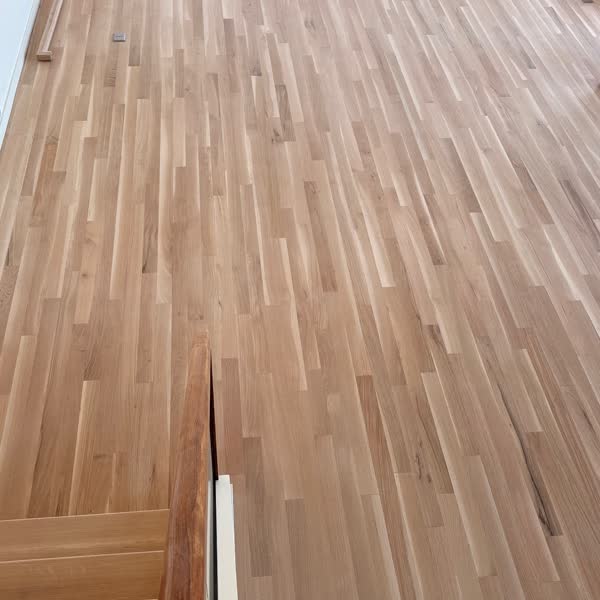
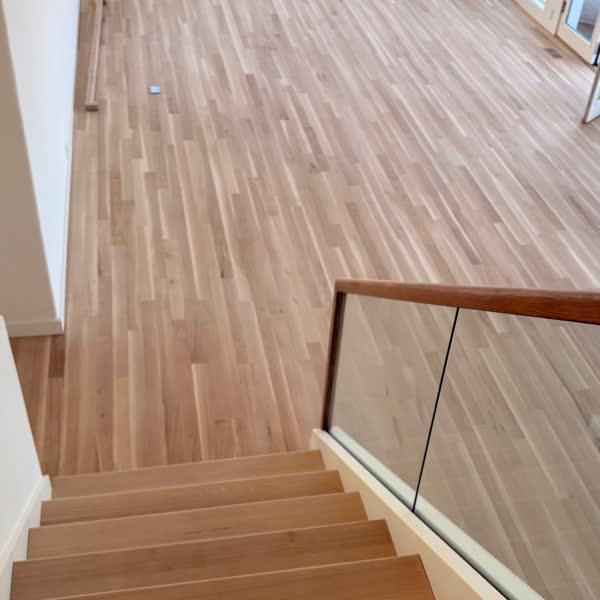
If you are planning to install new hardwood floors or replace existing flooring in your home, you have likely realized that the decisions go far beyond picking a color. When you walk into a flooring showroom, you are faced with a wide array of wood species, each with its own grain pattern, hardness rating, and natural response to environmental conditions.
Choosing the right wood species is one of the most important decisions you will make for your home. While you can always change the color of your floors later with a stain, you cannot change the underlying species of the wood.
The wood you choose determines:
- How well your floors will resist scratches from dogs
- How they will handle our damp Pacific Northwest winters
- How they will look alongside your furniture and architectural style
Here is a guide to the most popular hardwood species for Oregon homes—oak, maple, and walnut—along with our native Douglas fir, to help you make the best choice for your lifestyle and space.
Understanding the Janka hardness scale
Before comparing individual wood species, it is helpful to understand how flooring professionals measure the durability of wood. We use the Janka hardness scale.
The Janka test measures the force required to embed a 0.444-inch steel ball halfway into a piece of wood. The higher the number, the harder the wood, and the more resistant it is to denting and wear.
Here is how the most common species stack up:
- Douglas fir: 710 (soft)
- American black walnut: 1010 (moderately soft)
- Red oak: 1290 (the industry standard)
- White oak: 1360 (hard/durable)
- Hard maple: 1450 (very hard)
While hardness is important, it is not the only factor to consider. Grain pattern, stability, and compatibility with stains are just as critical for a successful flooring project.
The contenders: oak, maple, walnut, and fir
Let us look closely at the characteristics of each species and how they perform in real-world settings.
1. Oak (white oak and red oak)
Oak is the absolute workhorse of the flooring industry, and for good reason. It is durable, readily available, relatively stable, and takes stains beautifully.
Red oak (Janka 1290)
Red oak has been the standard for American homes for over a century. It features strong, swirling grain patterns and warm, reddish-pink undertones.
- Performance: Red oak is very forgiving. The prominent grain pattern is excellent at hiding minor scratches, pet hair, and dust.
- Best for: Traditional, rustic, or Craftsman-style homes where a classic wood look is desired. It takes mid-tone and dark stains exceptionally well.
White oak (Janka 1360)
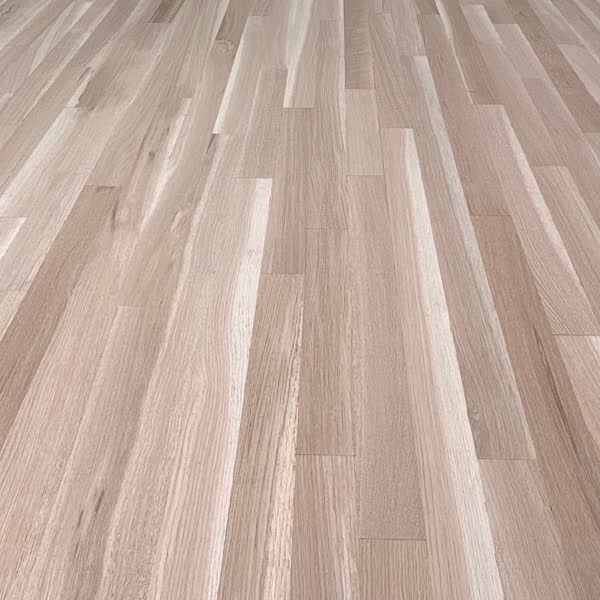
White oak has surged in popularity over the past decade. Unlike red oak, it has a more linear, tighter grain pattern and neutral, golden-brown undertones with no pink or red.
- Performance: White oak is slightly harder than red oak. Because of its cellular structure, it is naturally water-resistant. Historically, white oak was used for boat-building and whiskey barrels because its pores are plugged with tyloses, which prevents liquid from penetrating deep into the wood. In a rainy climate like Western Oregon, this natural water resistance makes white oak an outstanding choice for entryways and kitchens where wet boots and drips are common.
- Best for: Modern, Scandinavian, farmhouse, or transitional interiors. It looks fantastic with a simple natural finish or light, neutral stains.
2. Hard maple (Janka 1450)
Hard maple is one of the hardest domestic woods available for flooring. It is so tough that it is the standard choice for basketball courts and bowling alleys. Maple features a very light, creamy color with a subtle, delicate grain pattern.
- Performance: Maple is incredibly resistant to heavy foot traffic, dropped toys, and active pets. However, its hardness comes with a trade-off. Because the wood fibers are so dense and the grain is so tight, maple does not absorb stain easily. If you try to stain maple dark, it often looks splotchy or uneven. Maple is best left natural, protected by a clear coat that showcases its clean, bright appearance.
- Pacific Northwest moisture warning: Maple is more sensitive to changes in humidity than oak. During our damp winters and dry summers, maple floors are more prone to expanding and contracting, which can lead to minor gaps between boards if the home's indoor humidity is not regulated.
- Best for: Ultra-modern, minimalist, or contemporary homes. It is ideal for spaces where you want to maximize light and create an airy, spacious feel.
3. American black walnut (Janka 1010)
Walnut is a luxury hardwood prized for its rich, chocolate-brown color, dramatic grain swirls, and natural warmth. It is one of the few domestic woods that is naturally dark without the need for stain.
- Performance: At 1010 on the Janka scale, walnut is softer than oak and maple. It can dent if heavy items are dropped on it, and it will show scratches from large dogs more easily. However, walnut is incredibly stable. It does not expand and contract as much as maple, making it a reliable choice for homes with shifting humidity.
- The UV light factor: Unlike most woods, which darken as they age, walnut actually lightens when exposed to sunlight. Over the years, a walnut floor will shift from a deep chocolate brown to a warm, golden honey tone. If your Oregon home has large, south-facing windows to catch the winter light, be prepared for this natural color shift, or use rugs and UV-blocking window films to slow the process.
- Best for: High-end architectural homes, historic restorations, and mid-century modern designs. It is best suited for low-traffic rooms or households without large pets.
4. Douglas fir (Janka 710)
You cannot talk about wood floors in Oregon without mentioning Douglas fir. While not technically a hardwood, fir is the historical flooring of choice for the Pacific Northwest. If you own a home built in Portland before 1940, there is a very high chance you have Douglas fir floors.
- Performance: Fir is soft. If you drop a coffee mug, walk in high heels, or let your dog run across it, it will scratch and dent. However, old-growth Douglas fir has a tight, vertical grain and a warm, orange-gold patina that is impossible to replicate with modern woods. Many historic homeowners choose to embrace this softness, viewing the scratches and dents as a beautiful "patina of time" that tells the story of the house.
- Best for: Historic preservation and rustic home designs. If you want pristine, scratch-free floors, fir is not the right choice for you. But if you love historic character and want to honor the heritage of your home, restoring original fir floors is a wonderful option.
Oregon-specific factors: moisture and mud
Living in the Pacific Northwest means we deal with unique environmental factors. Here are three things to keep in mind when choosing your wood species:
1. The winter humidity cycle
During our long, rainy winters, the outdoor air is damp, but our indoor heating systems dry the air out. In the summer, we experience hot, dry weather. These shifts in relative humidity cause wood to move. To minimize gapping and cupping:
- Choose stable woods like white oak or walnut.
- Consider engineered hardwood rather than solid wood, especially for basement installations or over concrete slabs. Engineered wood features a real hardwood veneer over cross-laminated wood layers, which prevents expansion and contraction.
- Maintain your home's indoor humidity between 35% and 55% year-round using humidifier systems in the winter.
2. Mud, rain, and the "drip zone"
Oregonians love the outdoors. Whether you are returning from a hike in the Columbia River Gorge or just walking in from a rainy day in Lake Oswego, your entryway will face water and mud.
- White oak is the best choice here due to its natural water resistance.
- Avoid softer woods like walnut or fir in entry zones unless you protect them with heavy walk-off mats and rugs.
3. Pet and family traffic
If you have a busy household with kids and pets, choose a harder wood with a strong grain pattern. A natural character-grade white oak or a clear-coated hard maple will hide daily wear and tear much better than a dark-stained walnut or a soft Douglas fir.
Sourcing and sustainability
Oregonians value sustainability, and the flooring industry has made great strides in providing eco-friendly options.
Look for FSC (Forest Stewardship Council) certified wood, which ensures the lumber was harvested from responsibly managed forests. Many of our domestic oaks, maples, and walnuts are harvested right here in the Pacific Northwest or the broader United States, making them a lower-carbon choice compared to imported exotic hardwoods like Brazilian cherry or ipe.
Additionally, restoring your existing wood floors through refinishing is the most sustainable choice of all. It keeps old materials out of landfills and avoids the environmental cost of manufacturing and shipping new flooring.
Making the right choice for your space
To narrow down your decision, ask yourself these three questions:
- How do you live in your home? If you have kids, dogs, and a busy indoor-outdoor lifestyle, prioritize hardness and grain pattern (like white oak). If you live quietly and want a show-stopping design element, consider walnut.
- What is the style of your home? A historic bungalow in Hawthorne screams for red oak or original fir. A sleek new build in Bethany or West Linn is the perfect canvas for natural maple or wide-plank white oak.
- What is your long-term plan? If you plan to sell your home in a few years, classic oak is the safest investment, as it has universal appeal to buyers.
Get expert guidance from Flooring PDX
Still not sure which wood species is right for your home? At Flooring PDX, we help you navigate these choices every day. We can bring physical samples to your home, let you see how they look in your actual light, and discuss how different woods will perform under your household's daily routines.
If you are ready to start your flooring journey, get a free quote to schedule an in-home consultation. We will walk through your space, answer your questions, and help you choose the perfect wood for your home.
To book your consultation, you can also use our free quote form or contact Vasi directly at 503-388-1689. Let us help you make an investment that you will love for decades to come.
Frequently asked questions
What is the most stable hardwood flooring species for Portland's rainy climate?
White oak (especially rift-and-quarter-sawn) and engineered wide-plank white oak offer the highest dimensional stability and water resistance across Oregon's wet winters and dry summers.
Is Douglas fir considered a hardwood or a softwood?
Douglas fir is botanically a softwood (Janka hardness ~660 lbf), though old-growth vertical-grain fir in 1900–1940 Portland Craftsman homes is dense and finishes beautifully with Bona Traffic HD.
Should I install solid or engineered hardwood over a Portland crawlspace?
Solid 3/4-inch oak works well over dry, vapor-retarded plywood subfloors in narrow to medium widths, while engineered hardwood is best for planks wider than 5 inches or damp subfloors.
Topics