Modern Portland flooring trends and finishes: natural vs dark stains
Explore the latest hardwood flooring trends in Portland, comparing light Nordic natural finishes with deep dramatic dark stains.

When we sit down with Portland homeowners to plan a hardwood refinishing project, the conversation quickly turns to color. The choice you make will define your home's aesthetic for years, influencing your furniture choices, wall colors, and how light moves through your rooms.
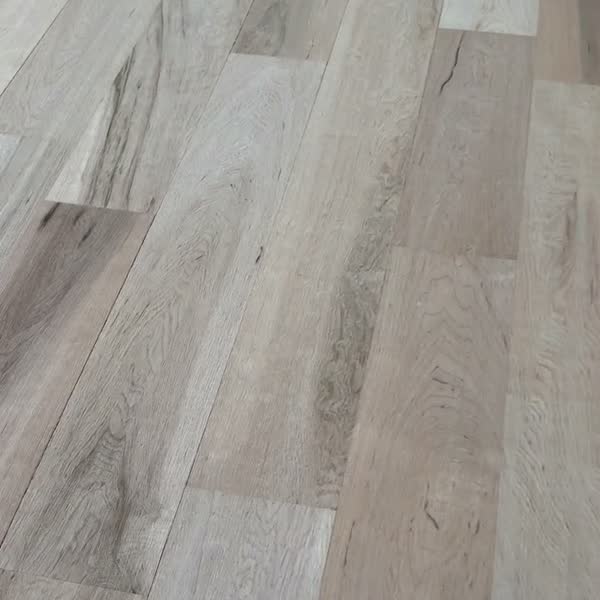
In recent years, the flooring industry has experienced a major shift. The cool, weathered grays that dominated design blogs for a decade have largely fallen out of favor. Today, Portland homeowners are choosing between two distinct design directions: light, airy natural finishes and deep, dramatic dark stains.
Both options are beautiful, but they serve completely different architectural styles, lifestyles, and lighting conditions.
Let's compare natural finishes and rich dark stains, looking at their design benefits, maintenance needs, and how they perform in different Portland homes.
Light and natural finishes: the Nordic and modern aesthetic
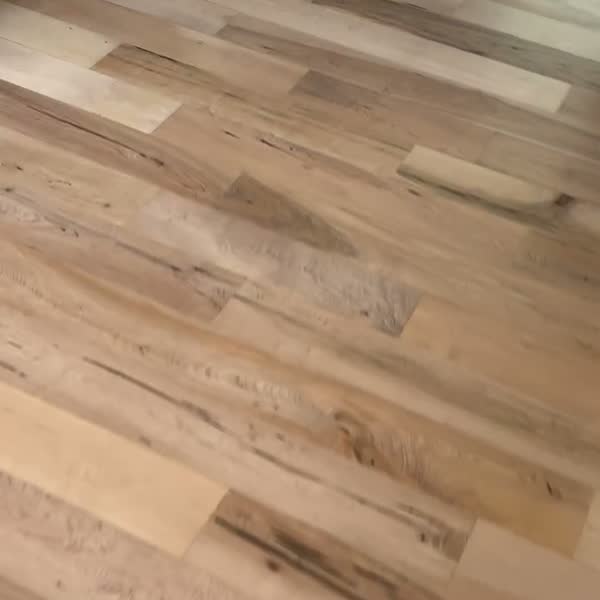
Natural finishes aim to preserve the raw look of the wood. Instead of changing the color of the timber with a stain, we apply clear, non-yellowing protective coats directly to the sanded wood. The goal is to make the floor look as close to its natural, dry state as possible.
This aesthetic is heavily influenced by Scandinavian design, which prioritizes simplicity, natural materials, and light.
1. Brightening Portland's cloudy winters
It is no secret that Portland winters can be dark and rainy. From November through April, natural light is at a premium. Light-colored wood floors act like giant reflectors, bouncing what little light comes through the windows back into the room.
- The result: This makes your living space feel brighter, more open, and less confined during the gloomy months.
- Pro tip: If your home has low ceilings or smaller windows, a natural finish can make the space feel twice as bright without adding new light fixtures.
2. Modern and mid-century compatibility
Light floors are the perfect partner for mid-century modern ranch homes (common in areas like Mount Tabor and Multnomah Village) and contemporary new builds. They complement:
- Clean lines
- Open floor plans
- Minimalist furniture
A natural oak or maple floor keeps the look light and uncluttered, allowing wood furniture like teak or walnut to stand out without competing with the floor. It creates a neutral backdrop that lets your personal design style take center stage.
3. The practicality of hiding dust and scratches
From a practical standpoint, light-colored floors are incredibly forgiving. Dust, pet dander, lint, and hair blend in with the light tones of the wood.
- Scratch resistance: If your dog runs across the floor and leaves a minor surface scratch in the polyurethane, it is difficult to see because the wood underneath is the same color as the surface.
- Maintenance: This makes natural finishes a favorite for families with young children or active pets, as you won't feel forced to sweep every single day just to keep the floors looking clean.
4. Recommended products for the natural look
To achieve a true natural look, you want to avoid finishes that turn amber or yellow over time.
- Bona Traffic HD Raw or Natural: These water-based finishes offer a completely matte look that preserves the raw wood texture while providing commercial-grade protection.
- Loba 2K Invisible Protect: A finish designed to remain completely invisible, protecting the wood without changing its color or sheen.
- Rubio Monocoat "Pure" or "White 5%": Hardwax oils that bond with the wood fibers. The "White 5%" formula contains a tiny amount of white pigment to counteract the natural darkening that happens when wood is wet with oil, maintaining that fresh-cut look.
Rich and dark stains: the classic and dramatic statement
On the other side of the design spectrum are rich, dark wood stains. These range from warm mid-tone browns like Special Walnut and Provincial to deep, dramatic shades like Dark Walnut, Jacobean, and custom blends that border on black.
Dark stains add immediate warmth, history, and elegance to a home.
1. Historic accuracy for Craftsman and Tudor homes
Portland is famous for its historic neighborhoods, such as Irvington, Alameda, Sellwood, and Laurelhurst. These homes were built with dark-stained Douglas fir or oak trim, built-in dining room buffets, and heavy ceiling beams.
In a historic home with rich wood trim, a very light, modern floor can look out of place. A dark stain like Provincial or Jacobean respects the home's historic roots, creating a cohesive look that honors the original architecture and keeps the historic charm of the building intact.
2. High-contrast sophistication
Dark floors provide a stunning contrast when paired with bright white baseboards, light walls, and modern metal fixtures (like brass or matte black).
- This high-contrast look is incredibly elegant and makes colorful rugs, art pieces, and light-colored furniture stand out.
- It feels grounded, formal, and deliberate, turning the floor itself into a major architectural feature.
3. Creating coziness in large spaces
While light floors make small rooms feel larger, dark floors can make large, high-ceilinged spaces feel cozy and welcoming. If you have a large open-concept room with lots of windows, a dark floor can prevent the space from feeling cold or echoing, making the entire room feel much more comfortable and lived-in.
4. Recommended products for dark finishes
- Duraseal stains: We find that Duraseal penetrating stains provide the most consistent color depth and grain definition on oak floors. Popular colors include Special Walnut (a warm brown with no red tones), Provincial (a rich classic brown), and Jacobean (a dark, slightly cool brown).
- Satin polyurethane topcoats: We recommend finishing dark floors with a satin sheen. A high-gloss finish on a dark floor acts like a mirror, reflecting every footprint and light bulb, while a matte finish can make dark stains look dusty. Satin strikes the perfect balance, offering a soft sheen that highlights the color.
Side-by-side comparison: maintenance and lifestyle
Before choosing a color based purely on photos, it is important to understand how your choice will affect your daily cleaning routine.
If you have a golden retriever, a busy household, and little time for daily cleaning, a natural finish is going to make your life much easier. If you love a tidy, elegant home and do not mind sweeping a couple of times a week, a rich dark stain is a showstopper.
How to choose the right path for your Portland home
To decide between these two styles, consider the following three factors:
1. The wood species in your home
Different wood species react differently to stains. Red oak and white oak take stains beautifully because they have open grain structures that absorb color evenly.
If your home has Douglas fir floors (common in older Portland homes), staining them dark requires extreme caution. Fir is a soft wood with uneven density, which can cause stains to look blotchy. The softer springwood absorbs stain like a sponge, while the harder summerwood rejects it, leading to a striped, high-contrast look. Often, Douglas fir looks best when left natural, allowing its warm reddish-orange tones to shine, or when treated with a specialized pre-stain wood conditioner to ensure even stain absorption.
2. Your home's natural light
Walk through your home at different times of the day. Do your main living spaces get plenty of natural sunlight, or are they shaded by Douglas fir trees and neighboring houses? A dark floor in a naturally dark room can make the space feel like a cave. If you choose a dark stain, make sure you have adequate lighting fixtures to balance the deep floor color.
3. On-site stain testing
You should never choose a stain color from a small paper swatch or a photo on your phone. Colors look completely different under Portland's grey winter light compared to summer sunlight.
We always recommend sanding a test area on your actual floor and applying a few options. View the samples in the morning, afternoon, and under your home's artificial lighting at night before making your final decision. The way a stain looks on a sunny July afternoon will be completely different from how it reads on a rainy November morning.
Finding the perfect balance
Whether you fall in love with the clean look of Scandinavian natural floors or the timeless warmth of a dark walnut stain, the key to a successful project is high-quality preparation and application. Modern finishes allow us to deliver incredible durability and safety, regardless of the color you choose.
If you are ready to update the look of your hardwood floors, we are here to guide you through the process. We can sand test patches, discuss the merits of water-based clear coats versus penetrating stains, and help you select a finish that fits your daily life.
Reach out to our team today to schedule an in-home consultation.
Frequently asked questions
Are matte or glossy hardwood floor finishes more popular in Portland in 2026?
Matte, extra-matte, and low-luster satin waterborne finishes dominate 2026 Portland remodels because they showcase natural wood grain and hide pet hair, footprints, and micro-scratches.
What plank widths are trending for new hardwood installations in Portland?
5-inch to 7-inch wide-plank engineered European white oak and 3-1/4 inch to 4-inch select solid white oak are the most requested profiles in Lake Oswego, West Linn, and Portland.
Is gray hardwood flooring out of style in the Pacific Northwest?
Cold gray stains have largely been replaced by natural raw-wood tones, warm wheat blondes, and earthy mid-brown stains like Provincial and Special Walnut.
Topics